
How to Stormproof Your Landscape for Florida Weather
Florida weather can shift quickly. Heavy rain, sudden wind, and saturated soil often place stress on outdoor spaces that were never designed to manage those conditions. If your yard lacks proper drainage, plant selection, or structural planning, storms can quietly undermine the long-term health of your landscape. The challenge is that many weaknesses remain hidden until a storm reveals them. Standing water, shifting pavers, and stressed trees often appear after the damage has already started.
By understanding the vulnerabilities in your yard, you can proactively address them before a storm arrives. This includes evaluating soil drainage, identifying weak trees, and ensuring outdoor structures are properly anchored. Small adjustments made ahead of time can prevent costly repairs and reduce the stress of post-storm cleanup. Learning how to stormproof your landscape not only safeguards your property but also helps your outdoor space recover faster, keeping your garden and hardscape functional, safe, and visually appealing even after severe weather events.
Step 1: Assessing Your Yard and Identifying Storm Risks
Every storm-ready landscape begins with observation. Before making changes, you need to understand how your property reacts during heavy rain and wind.
Walk your yard after a storm. Look for pooling water, erosion, or areas where soil stays wet longer than expected. Notice how slopes direct runoff and whether water moves toward or away from structures.
Tree placement is another critical factor. Trees planted too close to structures or without adequate root space are more vulnerable when the soil becomes saturated.
Many stormproof landscaping tips start at this stage. Identifying risks early allows you to address them thoughtfully rather than reactively. This evaluation phase supports smarter decisions as you plan ways to stormproof your landscape for Florida conditions.
For a deeper understanding of how site assessment fits into a complete design-build approach, you can review our complete guide to landscape design and build to see how each phase connects.
Step 2: Choosing Plants That Withstand Strong Rain and Wind
Plant selection plays a significant role when you aim to stormproof your landscape effectively. Not all plants tolerate prolonged moisture or strong wind equally. Plants with flexible branches, dense root systems, and native adaptability tend to perform better during storms. They bend rather than snap and remain anchored even when soil softens.
Some of the best plants for hurricane prone areas include native palms, firebush, wax myrtle, and Simpson stopper. These species evolved to handle Florida weather and typically recover faster after storms. Spacing also matters. Overcrowded plantings compete for root space and water, which weakens stability. Proper spacing allows roots to develop fully and improves airflow. Root barriers can guide growth away from hardscape while preserving underground integrity. These choices align with hurricane-proof landscaping ideas that prioritize long-term resilience while maintaining a refined appearance.
Step 3: Securing Trees From Wind and Saturated Soil
Trees add structure and value, but they require proper planning to remain stable through storms.
Begin with a health assessment. Weak branch unions, compacted soil, and improper pruning increase the likelihood of failure. Strategic pruning allows wind to pass through the canopy instead of pushing against it.
Underground anchoring systems can help younger trees establish strong roots without restricting natural movement. Over time, this controlled flexibility strengthens the trunk.
Thoughtful tree planning supports your ability to stormproof your landscape without compromising the natural character of your outdoor space.
Step 4: Planning Drainage and Runoff Before Hardscape Installation
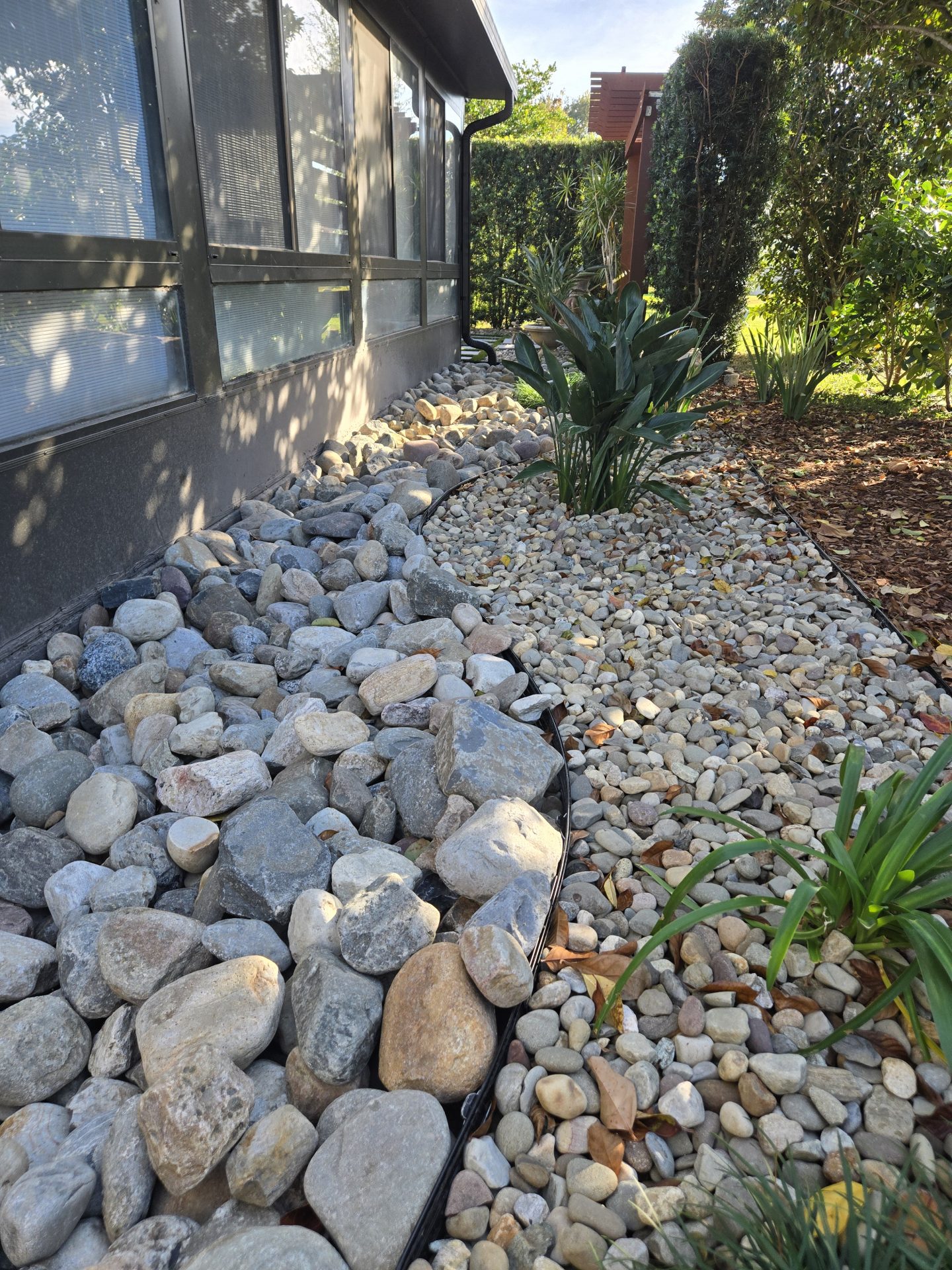
Drainage is one of the most important components of storm readiness. Without it, even high-quality materials can fail.
Proper grading directs water away from structures and toward controlled runoff paths. Swales, French drains, and permeable zones work together to manage excess water.
Well-designed drainage solutions for yard flooding protect plant roots, prevent erosion, and reduce pressure beneath patios and walkways. Addressing drainage early ensures your hardscape performs as intended. To get expert-guided drainage services, visit our drainage solutions page.
This stage is where a complete design-build approach adds value. When one team plans and installs every element, communication stays clear, and the entire system works together to stormproof your landscape effectively.
Step 5: Selecting Storm-Resistant Hardscape Materials and Techniques
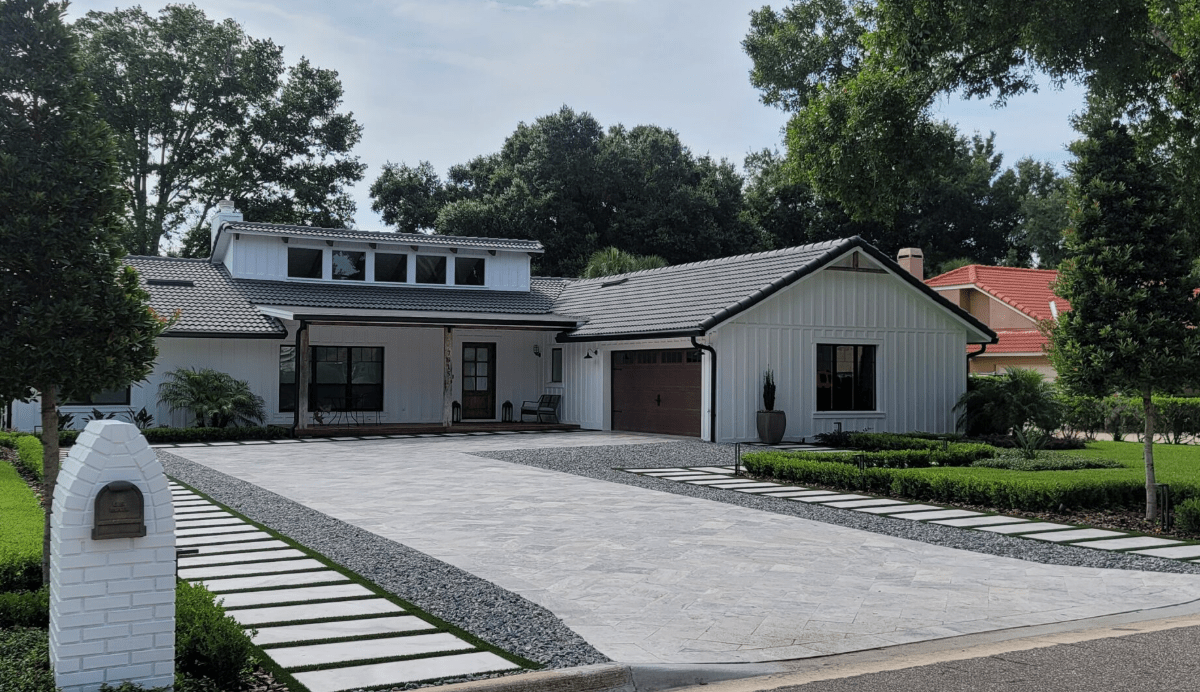
Hardscape choices influence how well your landscape handles repeated storms. Material selection should balance durability and appearance.
Concrete pavers installed on a properly prepared base allow flexibility and drainage. Natural stone set with appropriate joints accommodates movement during saturation. These are examples of storm-resistant hardscape materials designed for longevity.
Installation techniques are equally important. Proper base depth, compaction, and edge restraints prevent settling and shifting over time.
Quality craftsmanship ensures patios and walkways remain level and secure, reinforcing efforts to stormproof your landscape for the long term.
Step 6: Designing Retaining Walls, Patios, and Pathways for Stability
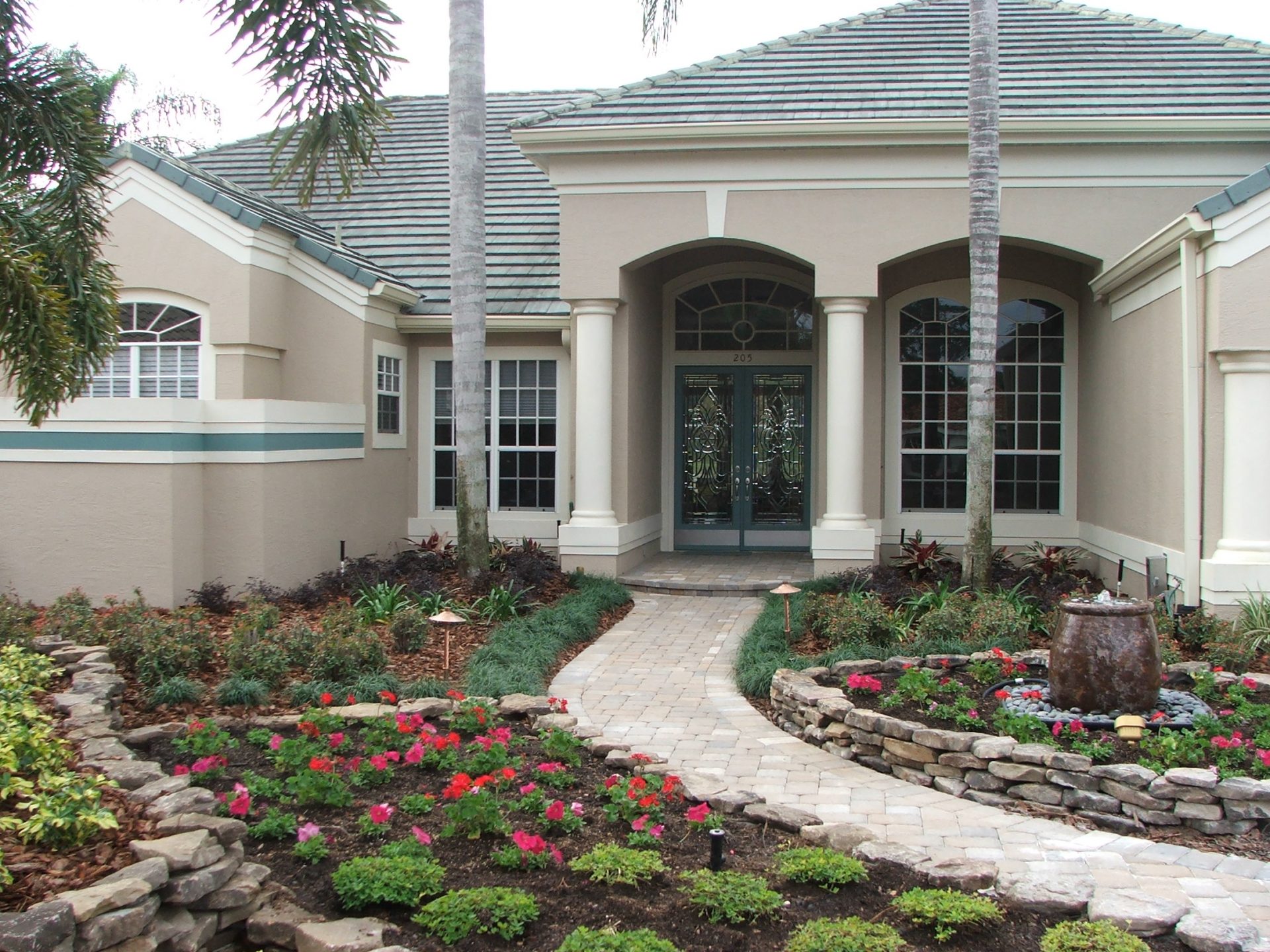
Structural features must account for water pressure and soil movement. Retaining walls require drainage behind them to relieve hydrostatic pressure during heavy rain. Gravel backfill and drainage systems protect against cracking and displacement. Pathways benefit from gentle elevation changes and permeable materials that allow water to pass through rather than collect. These design decisions support hurricane-proof landscaping ideas that emphasize stability and safety.
In addition to proper drainage and material choice, incorporating flexible joints and reinforced foundations helps pathways and walls endure shifting soil. By carefully planning slopes and water flow, you can reduce erosion and protect plantings. Understanding how to stormproof your landscape ensures that both hardscape and softscape elements work together to withstand Florida’s unpredictable weather. This approach keeps your yard functional, safe, and visually appealing while minimizing costly post-storm repairs.
Step 7: Securing Outdoor Structures, Seating, Fences, Pergolas, and Lighting
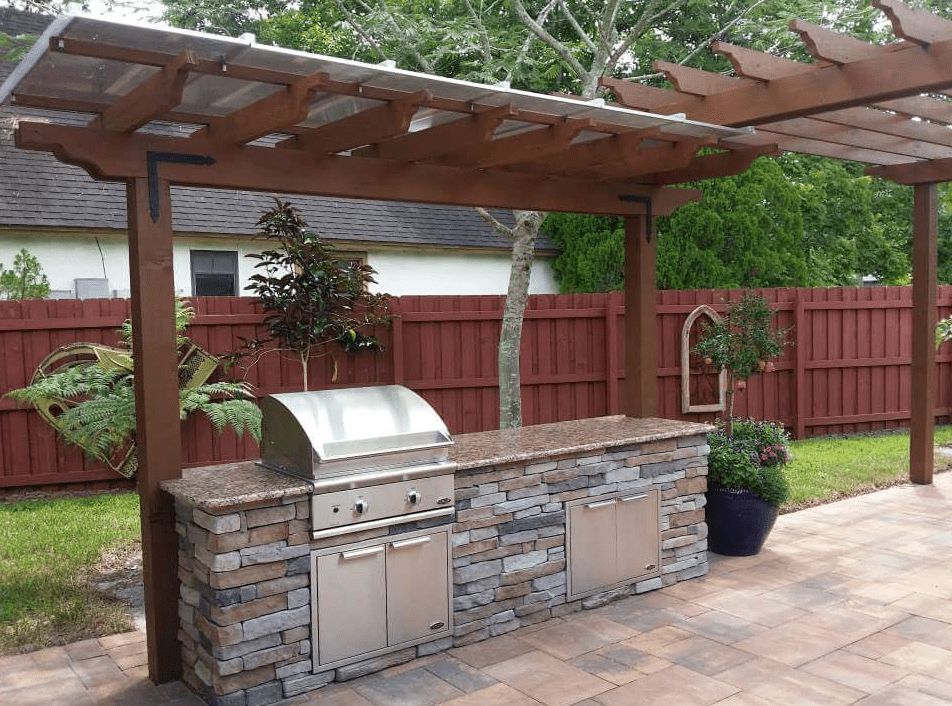
Outdoor features can become hazards if not properly secured. Permanent structures need reinforced footings, hurricane-rated hardware, and weather-resistant materials to withstand strong winds and rain. Moveable furniture should be lightweight enough to store but also easy to anchor in place when necessary. Pergolas, trellises, and garden sculptures benefit from additional bracing or anchoring, especially if located in exposed areas.
Even small touches, like using stainless steel bolts, secure brackets, or locking mechanisms, make a noticeable difference. Properly mounted lighting systems with waterproof connections prevent electrical hazards during storms. By understanding how to stormproof your landscape, you ensure that every element, from fencing to outdoor seating, contributes to the overall resilience of your yard, reducing damage and giving you confidence in the safety of your outdoor space.
Step 8: Preparing a Pre-Storm Maintenance and Inspection Routine
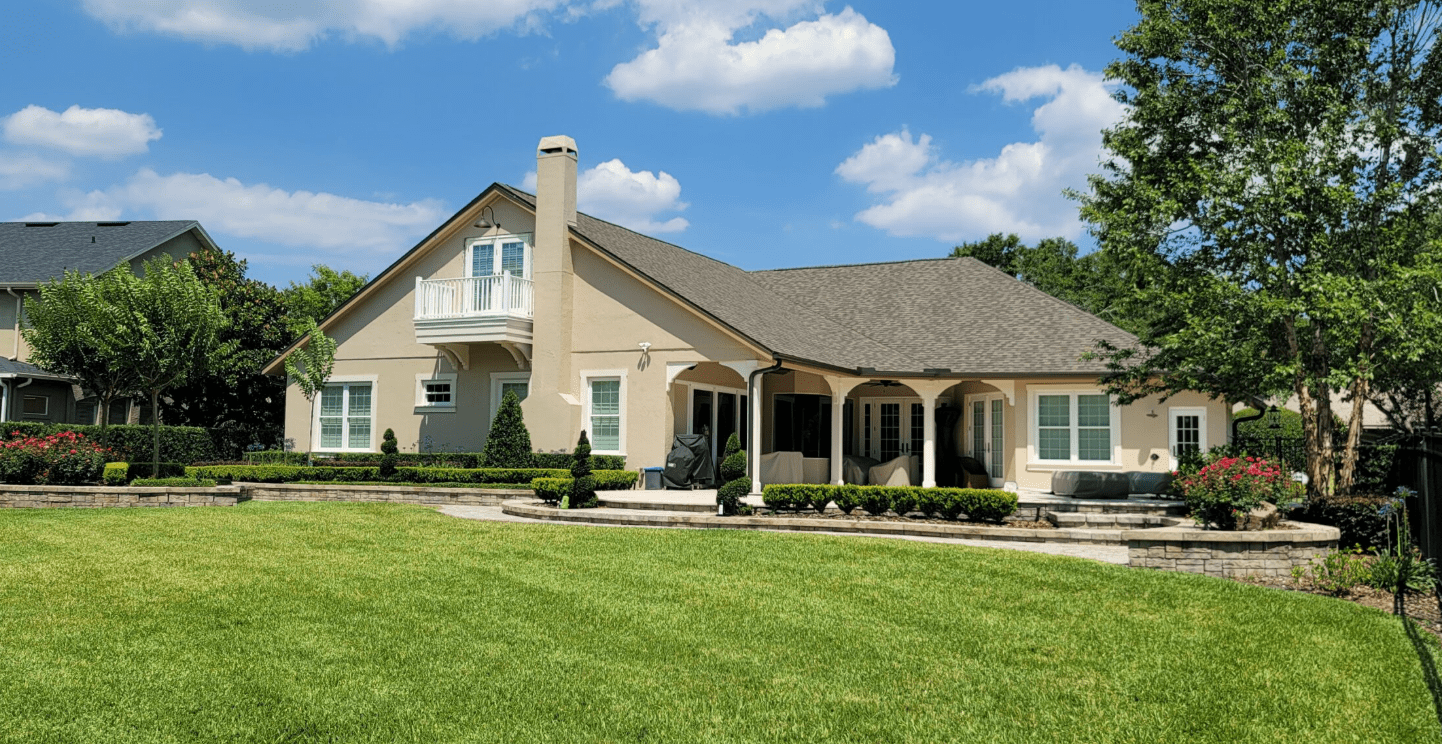
Consistency is key. Establishing a seasonal routine helps prevent avoidable damage and keeps your property ready for sudden weather changes. Trim trees and shrubs to remove weak growth and branches that could break under pressure. Clear gutters, downspouts, and drainage paths to prevent water buildup. Inspect hardscape joints and retaining walls for signs of wear or displacement.
A written landscape storm preparedness checklist keeps tasks organized, allowing you to systematically review your property before storms. Small fixes done proactively, such as tightening loose bolts or securing outdoor decor, reduce risk significantly. Learning how to stormproof your landscape through these repeated pre-storm inspections ensures that your yard is not only safe but also better prepared for recovery after severe weather events.
Step 9: Post-Storm Checklist
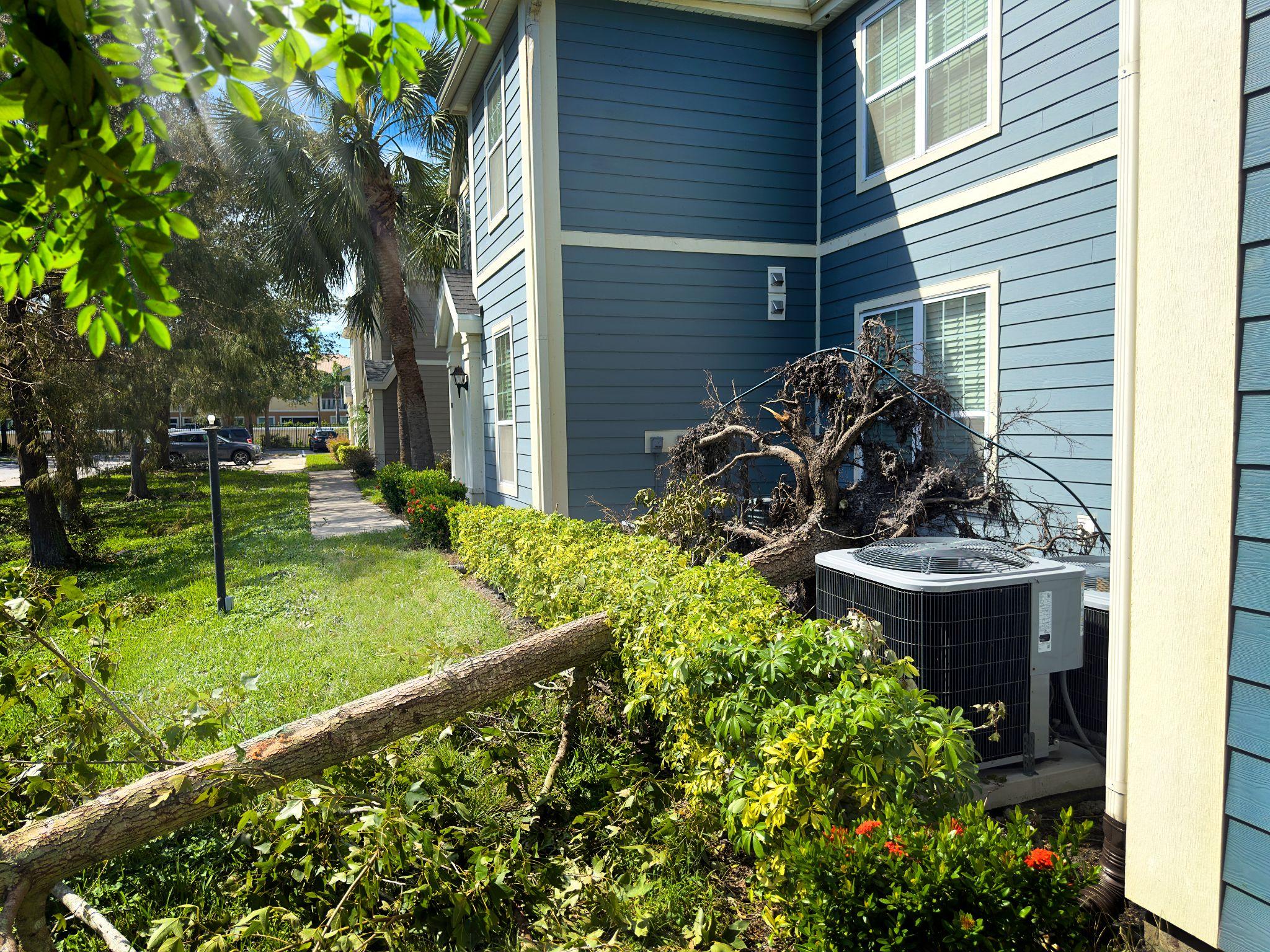
After a storm passes, careful inspection of your property is essential. Look for soil displacement, leaning or damaged trees, and pooled water near patios, walkways, and other hardscape edges. Confirm that all drainage systems are functioning correctly and that pathways and retaining walls are intact. Removing debris promptly helps prevent further erosion or plant damage.
Addressing minor issues immediately reduces long-term repair costs and keeps your yard visually appealing. Evaluate plant health and reinforce any vulnerable areas for the next storm season. By following these steps and applying short stormproof-your-landscape strategies, you can ensure that your home recovers quickly. This proactive approach completes the process, giving you confidence that your yard is structurally sound, safe, and prepared for Florida’s unpredictable weather.
Storm readiness involves informed planning, quality materials, and consistent care. When design and installation are handled by one responsive team, every detail supports durability, from plant selection to hardscape placement. Thoughtful integration of drainage systems, reinforced pathways, and well-anchored structures ensures that your yard can withstand heavy rain and strong winds.
Clear communication and accountability throughout the process give you confidence that nothing is overlooked. By applying what you have learned about how to stormproof your landscape, you can create a yard that is not only resilient but also visually cohesive and enjoyable year-round. Proactive maintenance and seasonal inspections further enhance performance, reducing costly repairs and preserving the investment you’ve made in your property.
If you are ready to take the next step, you can request a consultation to discuss solutions tailored to your property.
Tags: