
Residential Hardscape Questions Homeowners Ask Most

Your outdoor space should feel clear, functional, and well planned. Yet many homeowners feel uncertain once they move beyond surface-level ideas and start asking practical questions. You may wonder how materials hold up, how drainage works, or how the process stays organized from start to finish. These are common concerns for homeowners who value clarity and long-term results. This guide answers those questions in a straightforward way, so you can move forward with confidence and informed expectations.
What Is Hardscaping?
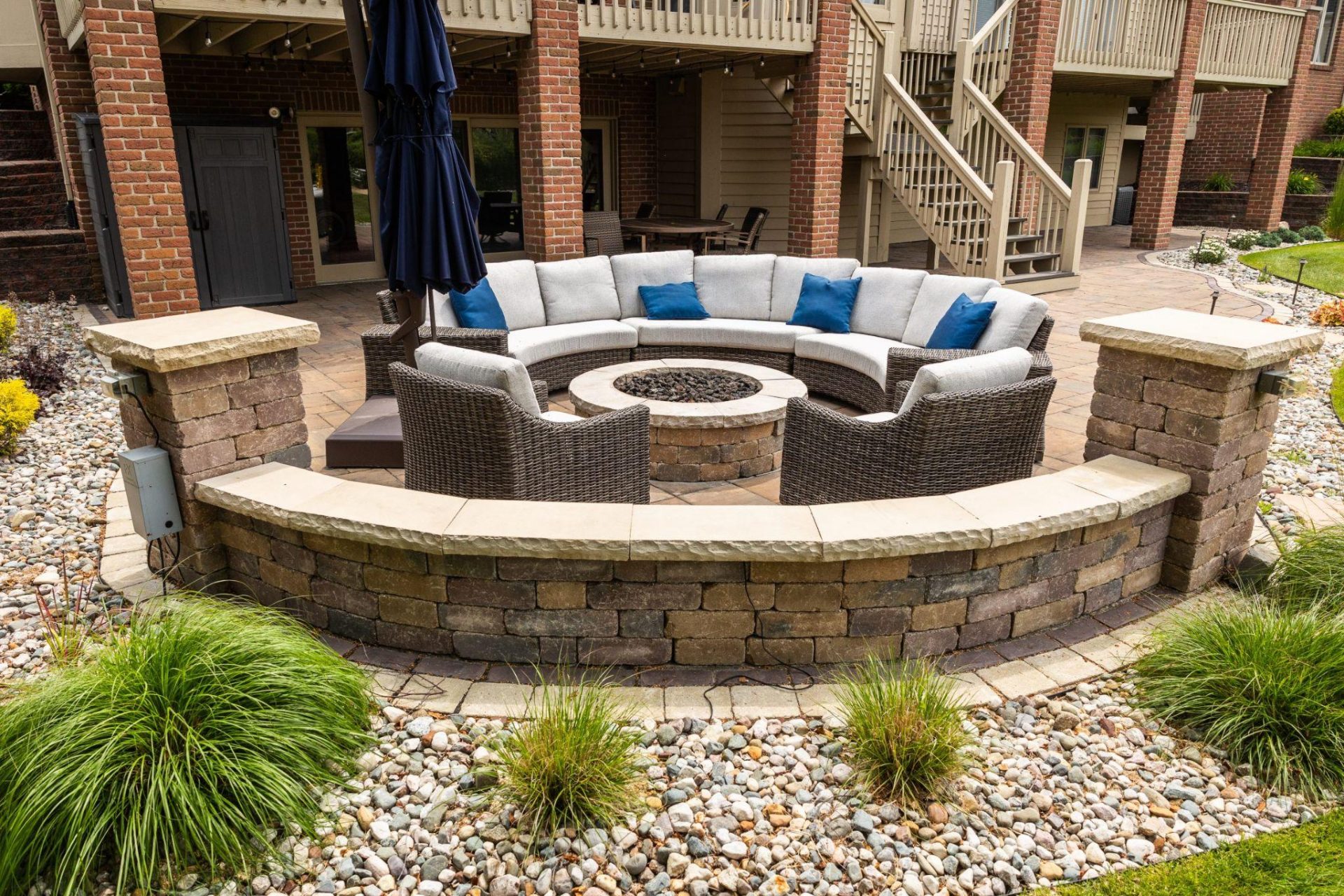
When homeowners start researching residential hardscape questions, the first one is usually about definitions. So, what is hardscaping? Hardscaping refers to the solid elements of your landscape. These include patios, walkways, retaining walls, fire pits, steps, and seating walls. They provide structure and usability to your yard.
Hardscape elements guide how you move through your space. They also define areas for gathering, relaxing, or dining outdoors. Unlike plants, these features do not grow or change shape. Their value comes from stability, function, and thoughtful placement.
Understanding hardscaping helps you see how it supports daily living outdoors, not just visual appeal.
How Does Hardscaping Differ From Landscaping Or Softscaping?
Landscaping is a broad term that includes both hardscape and softscape. Softscaping refers to living elements like plants, trees, turf, and groundcover. Hardscaping focuses on non-living materials that create form and access.
Many hardscape questions come from confusion between these terms. Hardscape gives your yard order and durability. Softscape adds texture, shade, and seasonal change. One does not replace the other.
A balanced plan considers both from the start, so neither feels like an afterthought.
Which Hardscape Features Are Most Common In Today’s Backyards?
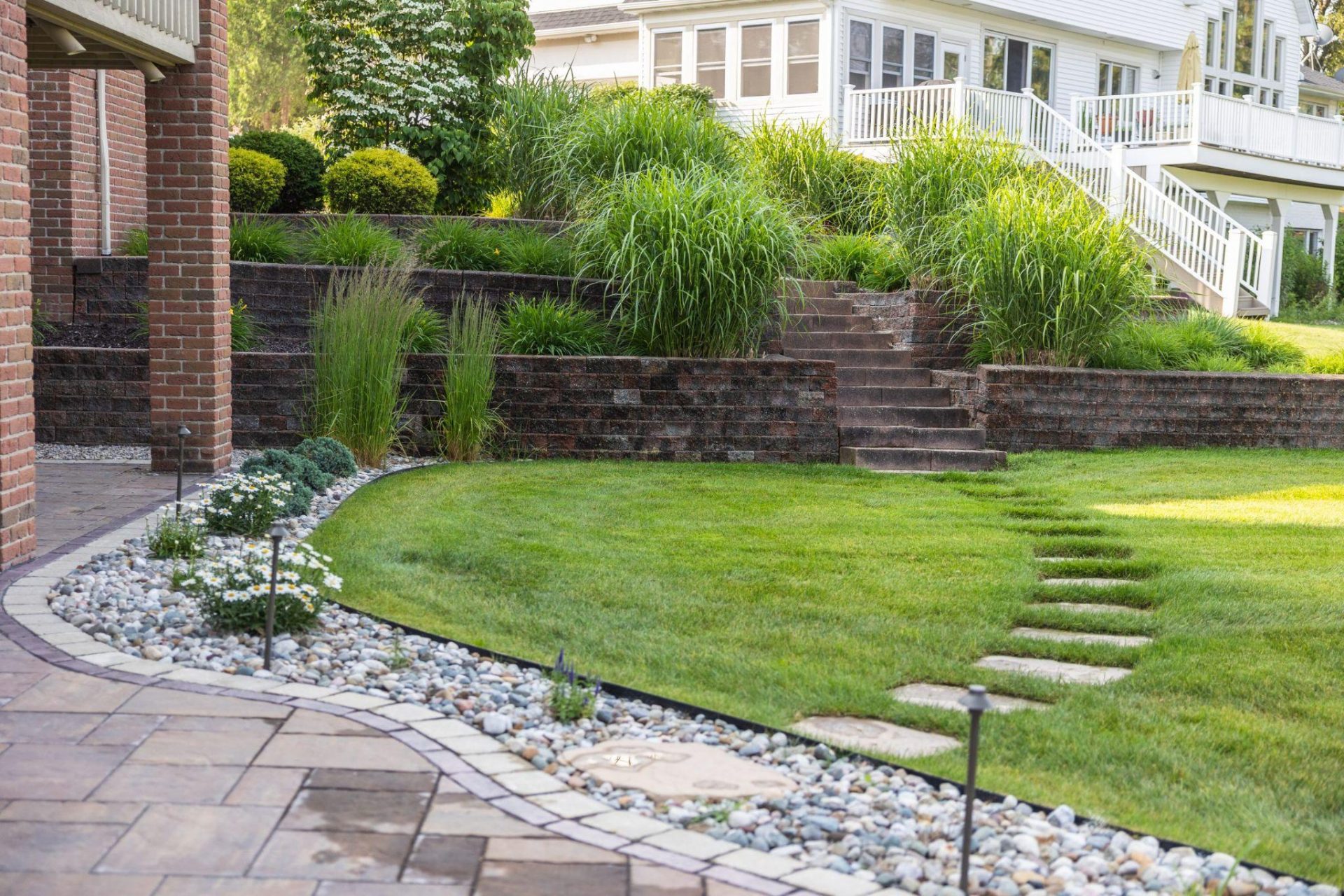
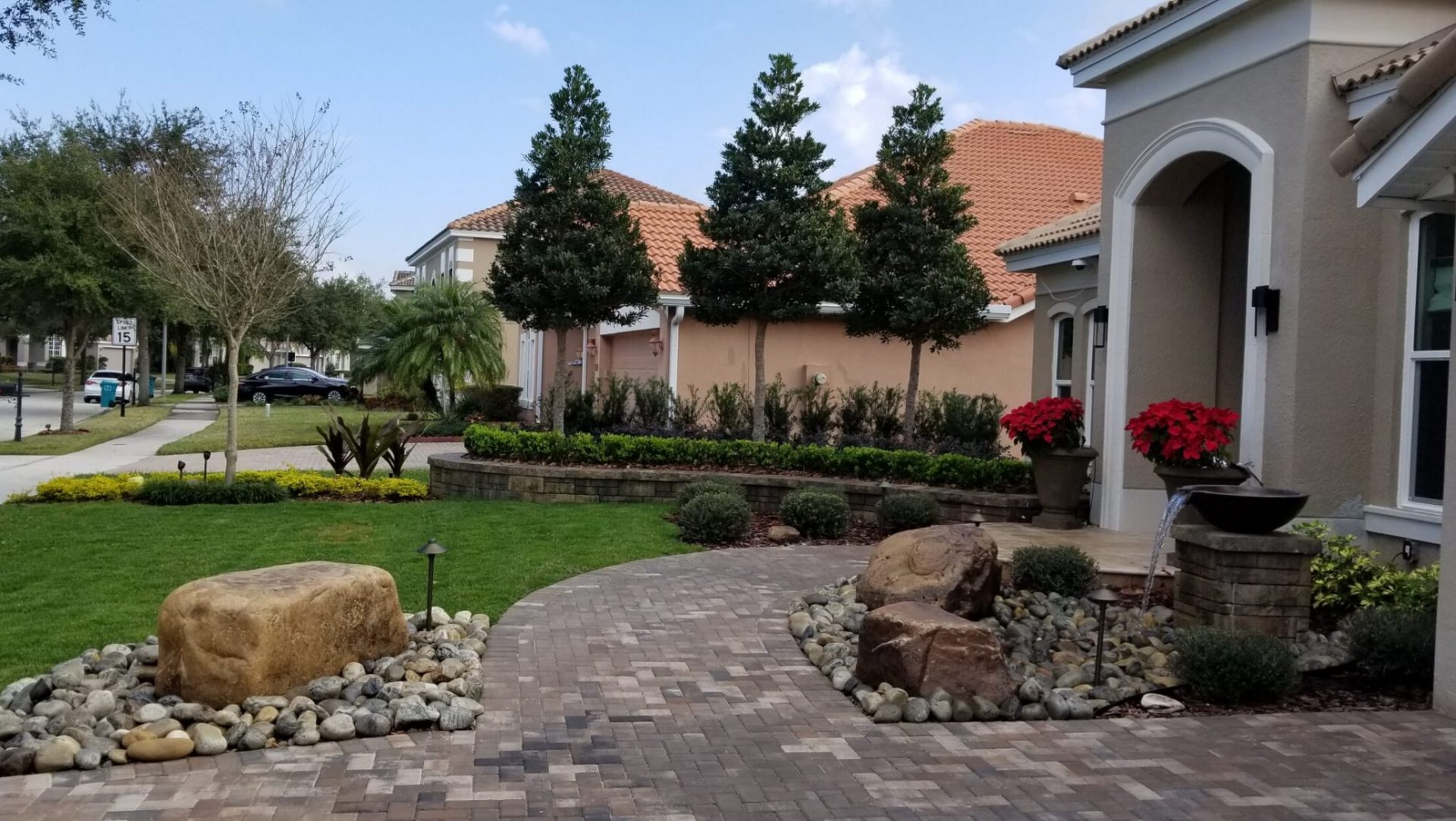
Modern homeowners often prioritize spaces that support daily routines and social time. Common hardscape features include patios for dining, walkways for easy access, fire pits for gatherings, retaining walls for elevation management, and seating areas for relaxation.
• Paver patios for outdoor dining
• Walkways that connect key areas
• Fire pits for evening use
• Retaining walls for elevation changes
• Pool decks with slip-resistant surfaces
These features are popular because they serve clear purposes. When reviewing hardscape questions, you will notice many focus on how these features fit your lifestyle rather than trends alone.
How Long Do Hardscape Features Usually Last In Warm Climates?
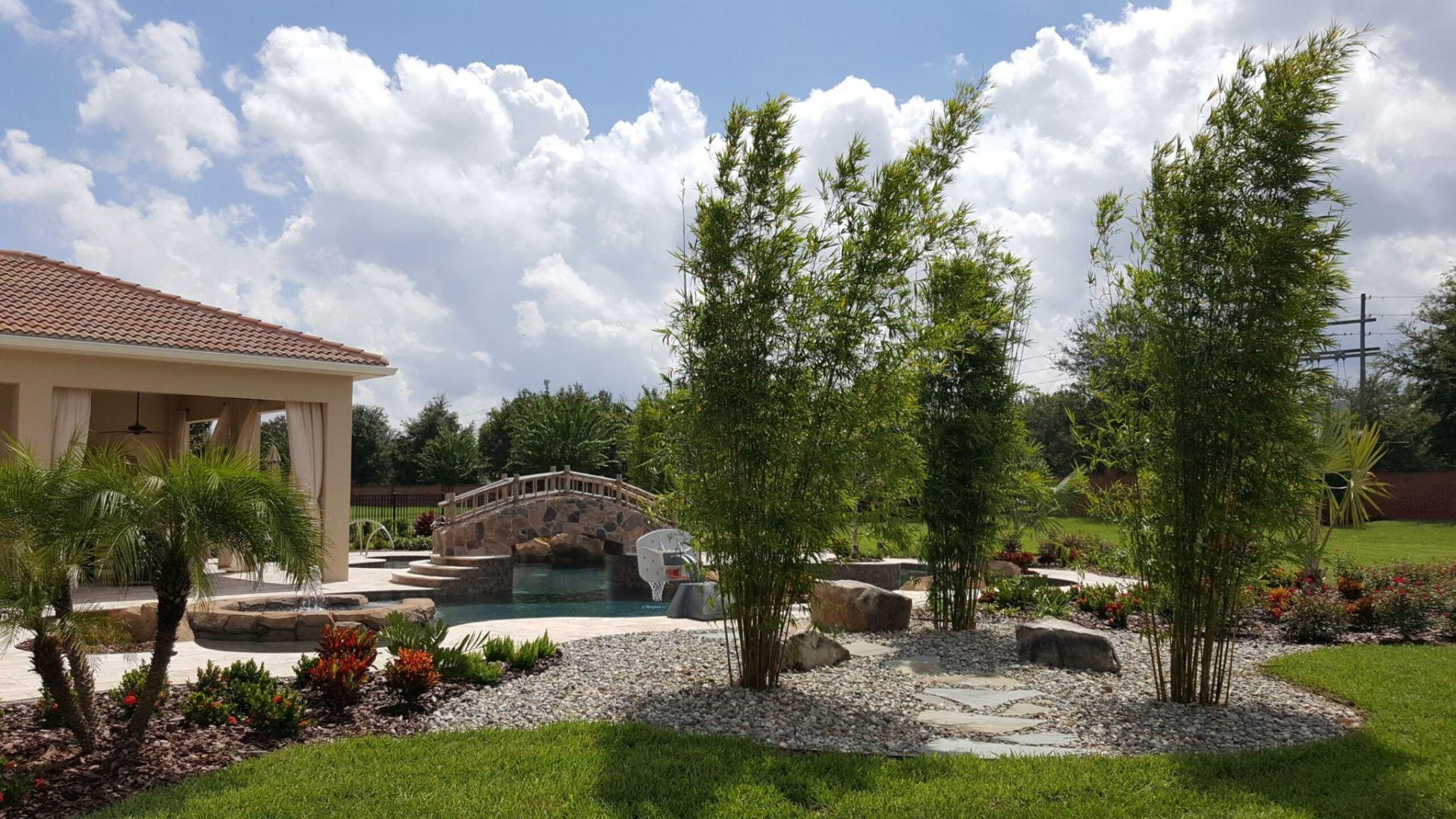
Longevity is a frequent topic among hardscape questions, especially in warmer regions. Homeowners want to know how long do hardscape features last when exposed to sun, heat, and rain. Proper installation, high-quality materials, and regular maintenance significantly extend the life of features like patios, retaining walls, and walkways. Considering factors such as base preparation, drainage, and protective sealers also helps prevent cracking, shifting, or fading over time. By planning for durability from the start, you can enjoy a functional and attractive outdoor space for decades with minimal repairs or replacements.
Properly installed hardscape features often last decades. Concrete pavers, natural stone, and brick are known for durability in warm climates. Longevity depends on material quality, base preparation, and drainage planning.
Routine maintenance, such as joint sanding and cleaning, also plays a role in preserving appearance and function over time.
What Materials Work Best For Patios And Walkways?
Choosing the materials for patios involves balancing appearance, performance, and upkeep. Common options include concrete pavers, natural stone, and porcelain pavers.
Concrete pavers offer consistency and strength. Natural stone provides variation and a timeless look. Porcelain pavers resist moisture and surface wear. The best materials for patios depend on how you plan to use the space and how much maintenance you prefer.
Walkways benefit from materials that provide grip and stable footing while complementing nearby features.
How Does Hardscape Design Affect Drainage?
Hardscape drainage questions are critical in residential planning. Poor drainage can lead to standing water, shifting pavers, or damage to nearby structures.
Good design accounts for slope, spacing, and runoff direction. Permeable pavers, proper grading, and drainage channels help manage water effectively. These elements work together to protect both hardscape and softscape areas.
Addressing hardscape drainage questions early helps prevent issues that are harder to correct later.
Should Hardscape Be Installed Before Softscape?
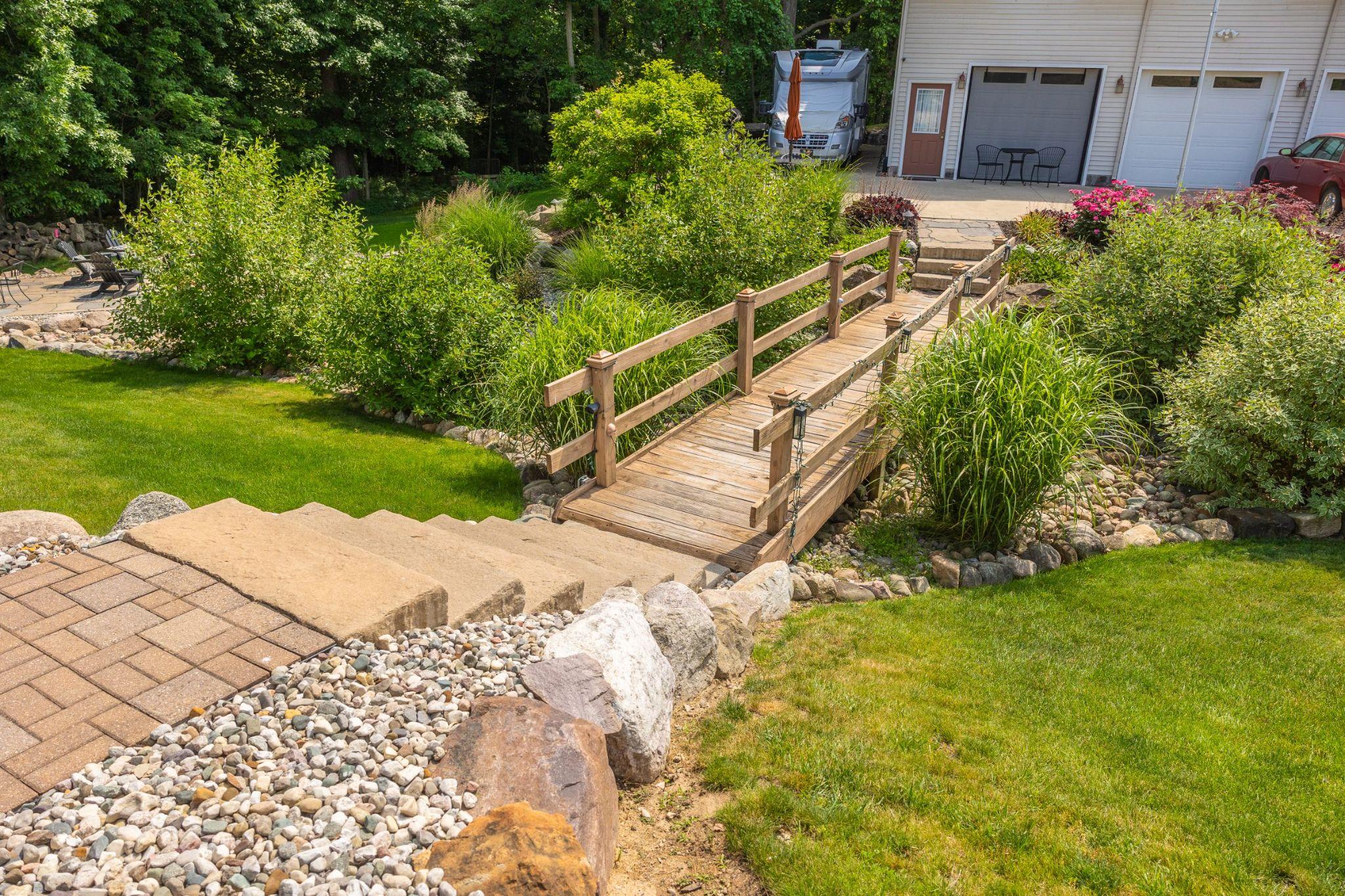
Yes, hardscape is usually installed first. This approach protects plants from damage and ensures proper grading before soil and plant placement.
Many residential hardscaping questions stem from project sequencing. Installing patios, walkways, and walls first allows softscape to be placed with precision afterward. Plants can then frame the finished structures rather than compete with construction activity.
This order supports cleaner results and fewer disruptions.
What Are The Benefits Of Combining Hardscape And Softscape?
The benefits of combining softscape and hardscape go beyond appearance. Hardscape creates usable space, while softscape softens edges and adds comfort. Together, they create a balanced, functional, and visually appealing outdoor environment that supports daily use. Thoughtful integration of plants, trees, and shrubs with patios, walkways, and walls enhances privacy, shade, and seasonal interest, making your yard both inviting and practical throughout the year.
Together, they support temperature control, privacy, and visual balance. Trees can provide shade over patios. Plantings can guide views and movement. Understanding the benefits of softscape and hardscape helps you see your yard as a complete system, not separate parts.
How Does The Design-Build Process Simplify Outdoor Projects?
Design-build landscaping questions often relate to communication and accountability. In a design-build model, one team manages both planning and construction. This structure reduces miscommunication and keeps details consistent. You get clearer timelines, coordinated decisions, and fewer surprises. Design build landscaping questions usually fade once homeowners experience how streamlined the process feels. A single point of contact also supports responsiveness and follow-through.
For a more detailed look at how each stage of planning and installation works together to create a cohesive outdoor space, Check out our blog: Your Complete Guide to Landscape Design & Build For a Cohesive Outdoor Space.
What Should Homeowners Expect During The First Design Meeting?
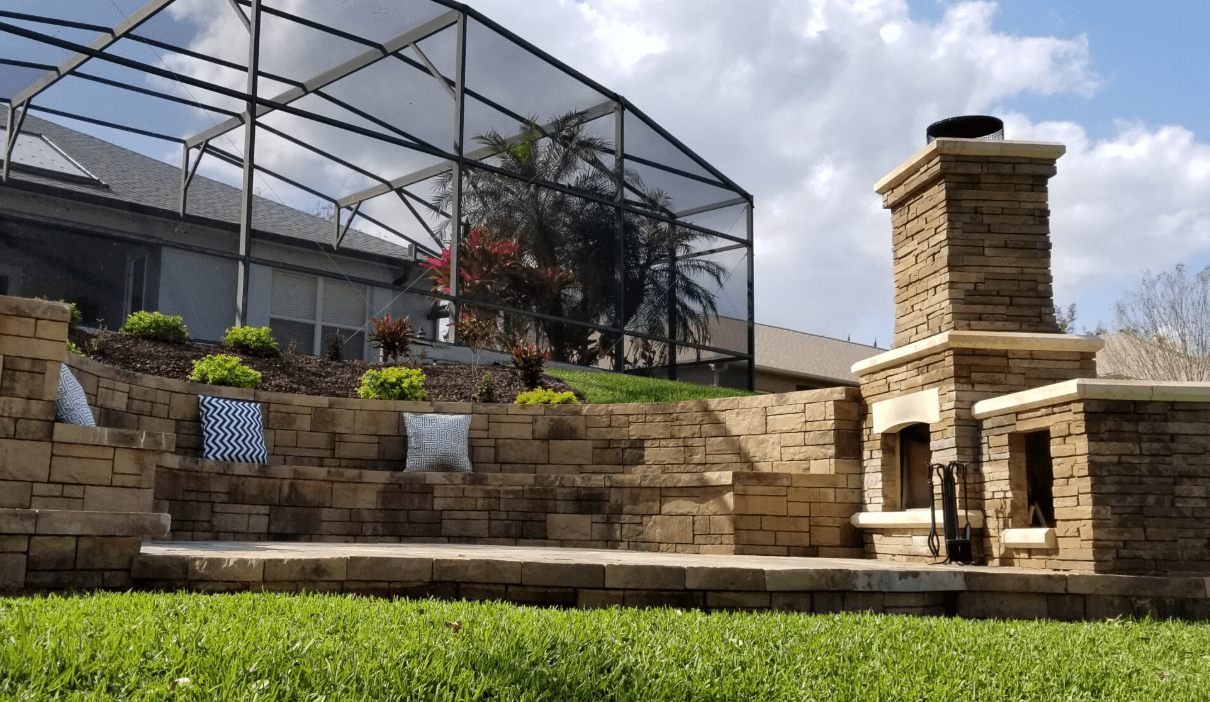
The first meeting sets the tone for the entire project. You should expect a conversation focused on your goals, preferences, and how you use your space. The designer will also review site conditions, discuss timelines, and address any initial concerns or questions you may have.
Measurements, site conditions, and drainage concerns are reviewed. Hardscape questions often come up here, allowing for early clarity. Open communication at this stage helps align expectations and avoid confusion later.
How Do I Know If My Yard Is Suitable For A Fire Pit?
Fire pit suitability depends on space, setbacks, surface materials, and ventilation. Your yard should allow safe distance from structures and plantings.
Ground conditions matter as well. Stable bases and proper drainage help support long-term use. Asking residential hardscape questions about safety and layout ensures the feature feels comfortable and functional.
How Do I Know If I Need A Retaining Wall?
Retaining walls are used when there are changes in elevation or erosion concerns. If your yard has slopes that limit usable space, a retaining wall may help.
Signs include soil movement, pooling water, or uneven ground. Addressing these issues early protects both hardscape and softscape elements.
Are There Steps Homeowners Should Take Before Construction Begins?
Preparation helps projects run smoothly. Before construction, you should:
• Confirm access points
• Remove personal items from work areas
• Review timelines and communication plans
These steps reduce delays and support a smoother experience from start to finish.
Is Hiring Professional Landscapers Worth It?
With the right people, yes. Professional teams bring experience in materials, grading, and sequencing. They also manage details that homeowners may overlook.
For those researching residential hardscape questions, professional support often provides peace of mind. You benefit from quality workmanship, clear communication, and accountability throughout the process.
Which Plants Pair Well With Hardscape Features In Florida?
In Florida, plants that tolerate heat and moisture work well alongside hardscape. Palms, ornamental grasses, shrubs, and native groundcovers are popular choices.
These plants soften edges and complement stone or pavers without overwhelming them. Thoughtful plant selection supports balance and ease of care.
What Is ISR?
This acronym stands for Impermeable Surface Ratio. These are local regulations that limit how much non-porous surface can be installed on a property. This includes patios, driveways, and walkways.
Understanding ISR helps ensure compliance with local guidelines. It also influences design decisions related to drainage and surface coverage.
Final Thoughts For Thoughtful Planning
Outdoor projects succeed when planning, communication, and craftsmanship align. Asking the right questions helps you understand what to expect and how each choice affects the final result. When your space is designed and built with care, it supports daily life with clarity and ease.
If you are ready to take the next step, you can request a consultation to discuss your goals, ask questions, and explore options for your outdoor space.
Summary
This guide answers common residential hardscape questions by explaining materials, timelines, drainage, and design coordination. You learned hardscaping, how long do hardscape features last, the best materials for patios, and the benefits of combining softscape and hardscape. These insights help you plan with confidence and clarity. By understanding the design-build process, proper sequencing, and how hardscape interacts with plants, you can make informed decisions that save time, reduce potential issues, and create a cohesive, functional, and visually appealing outdoor space tailored to your lifestyle.
Tags: